If you picture coastal living as an endless vacation, Santa Cruz may surprise you in the best possible way. Life here is beautiful, active, and deeply tied to the ocean, but it is also practical, fast-moving, and shaped by real housing and shoreline tradeoffs. If you are wondering what it actually feels like to live in Santa Cruz day to day, this guide will help you see the rhythm behind the postcard. Let’s dive in.
Daily life feels outdoors-first
In Santa Cruz, the coast is not just scenery. It shapes how you move through the day, where you spend your free time, and even how you dress in the morning. The city’s mild climate helps make that possible, with an annual mean temperature of 58.7°F, July mean highs around 74.3°F, January mean highs around 62.5°F, about 30.63 inches of annual precipitation, and essentially no snowfall.
That means your version of “getting outside” can be very ordinary here. A beach walk, a bike ride, or a stop downtown does not have to wait for a perfect weather window. In a city with about 61,797 residents across just 12.74 square miles, the outdoors stays close to everyday life rather than feeling far away.
The coastline is part of your routine
Santa Cruz County has 29 miles of coastline and more than 14 state parks and beaches. In practical terms, that gives the area a daily coastal rhythm instead of a weekend-only beach culture. The shoreline is woven into normal routines, whether that means a walk along West Cliff or time near the Wharf and Boardwalk.
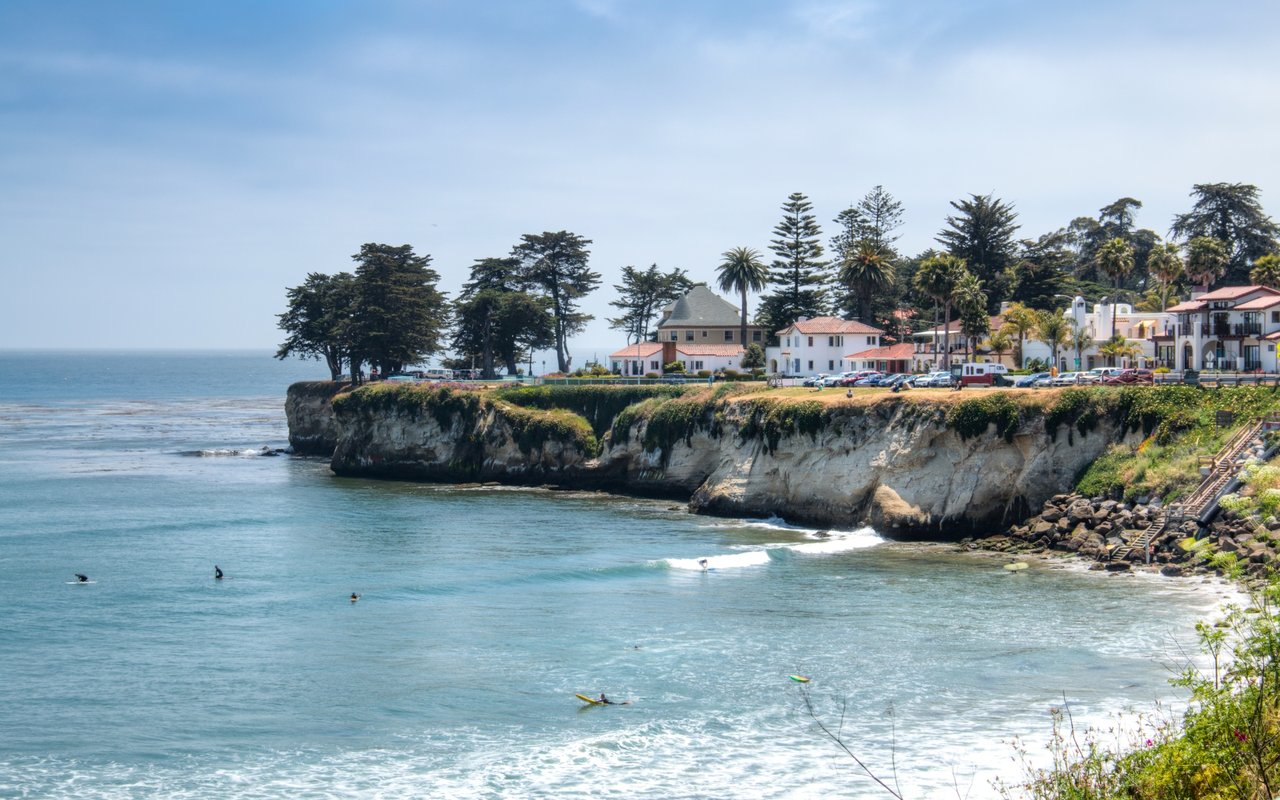
West Cliff is one of the clearest examples of what living here feels like. It connects the Boardwalk and Wharf area to Natural Bridges State Park, giving you a scenic stretch that is active, social, and unmistakably coastal. You are not heading out of town to “do something by the water.” In many parts of Santa Cruz, the water is already part of where your day happens.
Downtown adds energy to the coast
Santa Cruz does not feel sleepy in the way some smaller beach towns do. Downtown brings a steady layer of activity, with boutiques, sidewalk cafes, galleries, cinemas, sporting events, and outdoor gathering spaces described by local organizations. That gives the city a mix of beach-town ease and urban movement.
The downtown farmers market is another good example of how local life comes together here. It runs year-round on Wednesdays from 12:30 to 5:00 p.m. at Cedar and Church. That kind of regular community event says a lot about Santa Cruz, where food, street life, and casual connection are part of the weekly routine.
Getting around can feel simpler
A big part of Santa Cruz living is that many daily trips can be short. The city has adopted an Active Transportation Plan, and local mobility options reflect that focus. Walking and biking are not just recreational here. They are built into how the city functions.
The countywide bike-share system, 84 downtown bike lockers, and the Santa Cruzer shuttle between downtown and the beach and wharf area on summer weekends and holidays all support that lifestyle. If you are coming from a place where most errands require a longer drive, Santa Cruz can feel more compact and connected.
Neighborhood feel changes quickly
One of the most important things to understand about Santa Cruz is how quickly the feel can shift from one area to the next. Even within the coastal core, the city’s 2025 NRSA report shows meaningful differences in housing patterns. Downtown/Beach is 85.3% renter-occupied, Lower Ocean is 76.2% renter-occupied, and River Corridor/Upper Downtown is 59.7% renter-occupied.
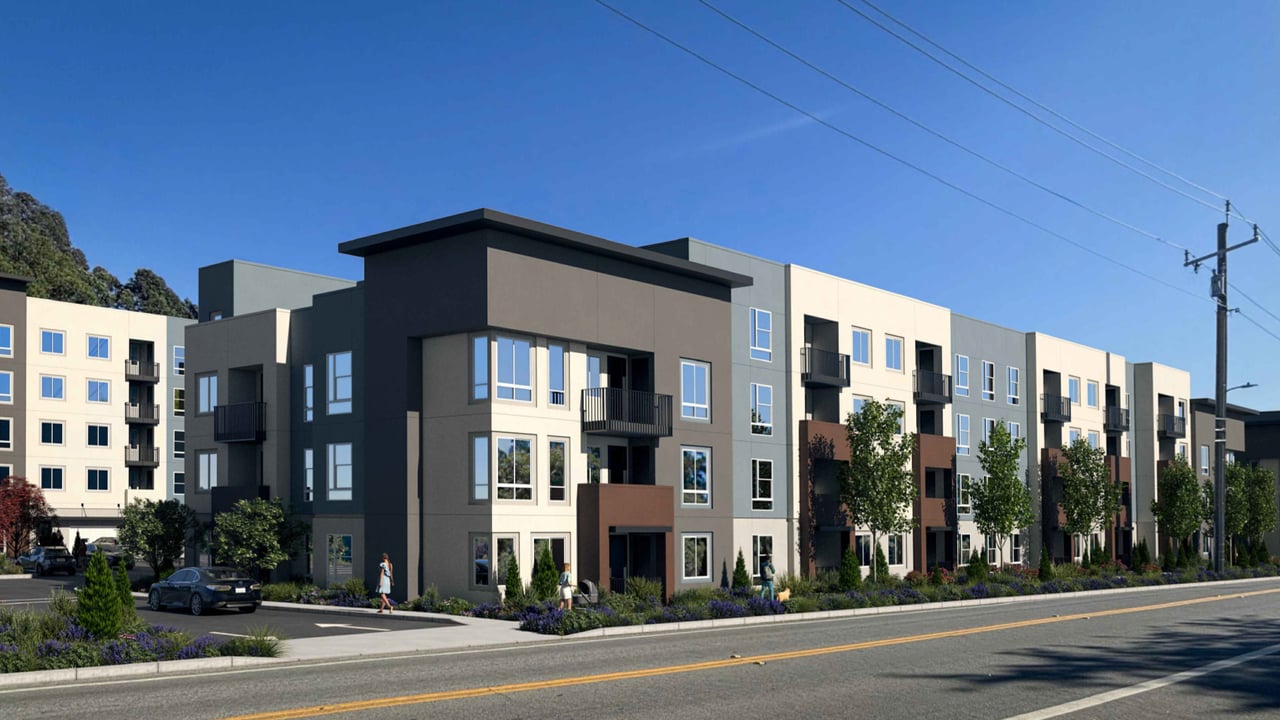
Those numbers do not define a neighborhood’s personality on their own, but they do help explain why different parts of Santa Cruz can feel very different. The city also notes that these census tracts are only directional approximations of neighborhood boundaries. Still, they are useful for understanding why one area may feel more apartment-heavy and another may feel more residential.
Downtown and Beach feel visitor-facing
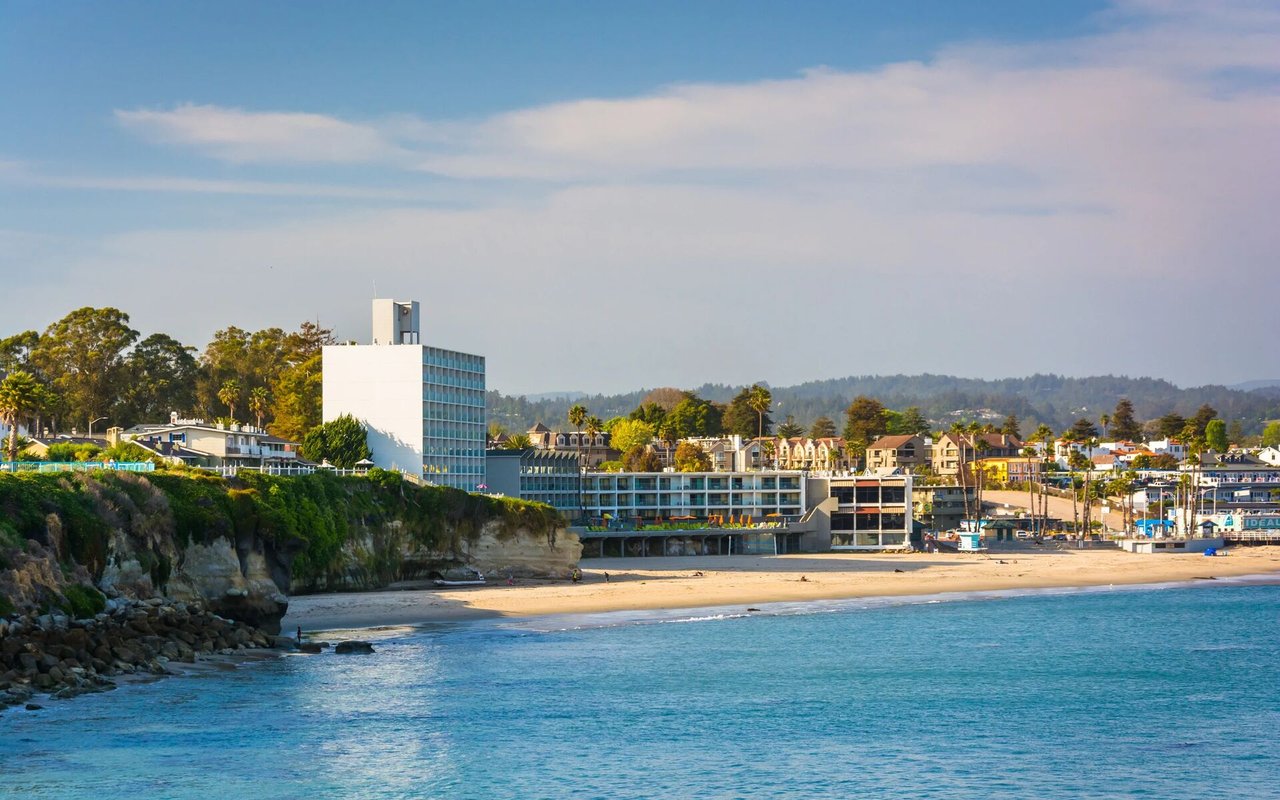
If you spend time around Downtown and the Beach area, you will likely notice a busier, more visitor-facing atmosphere. That part of town is close to major attractions and tends to feel lively, active, and dense. For some buyers, that energy is a major draw.
For others, it may feel like a better fit for renting, smaller-space living, or a more on-the-go lifestyle. If you want to step into a vibrant coastal setting with easy access to activity, this area often delivers that feeling clearly.
Seabright and East Cliff feel more residential
A useful local shorthand is that Seabright and East Cliff often feel more residential while still staying close to the beach. You still get coastal access, but the day-to-day mood can feel a bit more rooted in regular neighborhood life. That balance is part of why these areas stand out for many buyers.
Seabright State Beach is described locally as a long sandy beach between the Boardwalk and Harbor with relatively calm waves. That adds to the sense that this part of Santa Cruz can offer beach proximity without always feeling centered on tourism.
West Cliff feels iconic and exposed
West Cliff is one of the most recognizable parts of Santa Cruz. It is scenic, dramatic, and closely tied to the city’s coastal identity. Living near it can feel special because the views and access are so immediate.
At the same time, shoreline planning in Santa Cruz is very active in places like West Cliff, Main and Cowell Beaches, and East Cliff and Seabright. The city’s adaptation work specifically addresses flooding, erosion, groundwater, and sea-level-rise impacts. In Santa Cruz, some of the most visually striking coastal areas are also the places where resilience planning is most visible.
Surf culture is part of the atmosphere
Surf culture in Santa Cruz is not just a branding idea. The City’s Surfing Museum sits above Steamer Lane, and the local surf zone is described by the city as extending from Natural Bridges to Pleasure Point. That tells you something important about the city’s identity.
Even if you do not surf, you will still feel the influence. The pace, the clothing, the local references, and the way people relate to the ocean all carry that surf-town energy. Pleasure Point is often described as a classic beachside surf town, while other coastal areas bring their own version of that same ocean-connected lifestyle.
Housing feels expensive and competitive
For many people, the biggest reality check about Santa Cruz living is housing. The city has 23,888 housing units, an owner-occupied rate of 48.4%, a median owner-occupied value of $1,209,000, a median gross rent of $2,452, and median monthly owner costs with a mortgage of $3,888. Whether you plan to buy or rent, the cost of entry is high.
Recent market data also points to ongoing competition. Over the three months ending May 2026, the median sale price in Santa Cruz was $1,424,148, with homes selling in about 14 days and averaging 102.1% of list price. In plain terms, well-located homes can move quickly, and your monthly payment may matter just as much as the headline price.
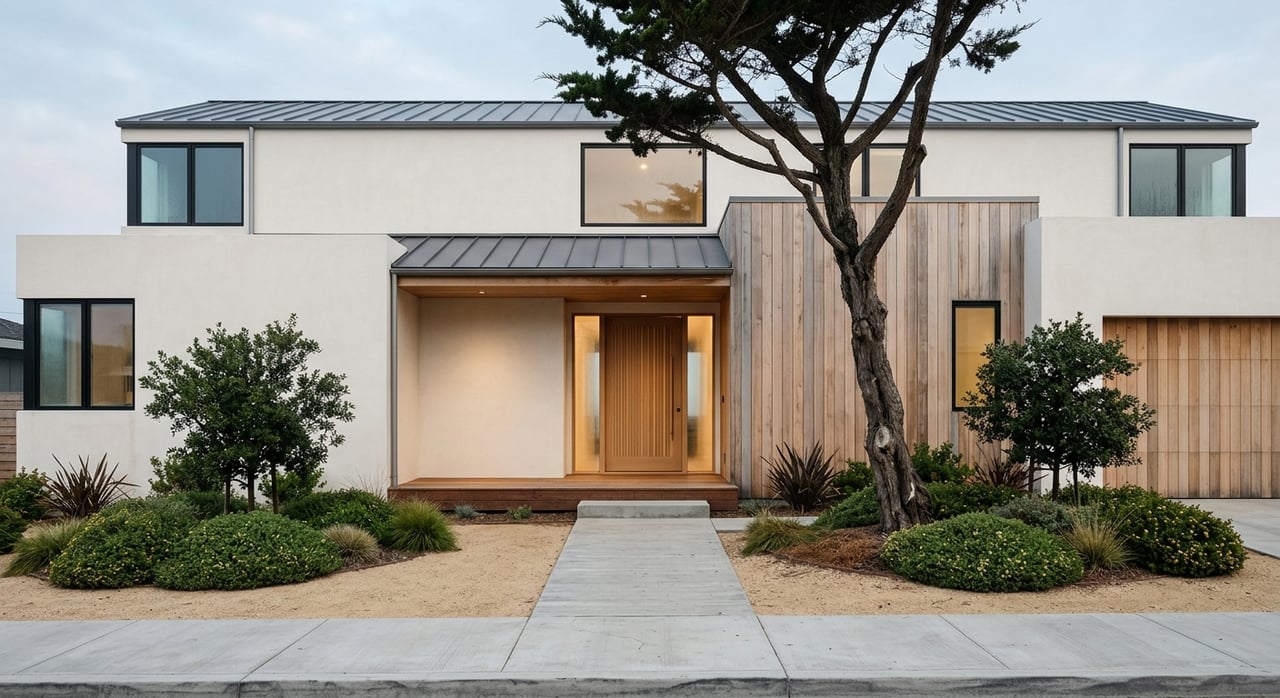
That does not mean every property feels the same or competes the same way. Santa Cruz has a mix of single-family homes, apartments, condominiums, and mixed-use areas, especially near the urban core. But if you are thinking about ownership here, it helps to be realistic early and clear about which tradeoffs matter most to you.
The lifestyle comes with tradeoffs
The most honest answer to what coastal living in Santa Cruz feels like is this: it feels easy to love, but it also asks you to think carefully. The city is actively planning for erosion, extreme weather, rising seas, flooding, and coastal storm impacts. The road realignment at 800 West Cliff Drive is one visible example of how the coast affects infrastructure decisions.
There is also a broader lifestyle tradeoff at work. Santa Cruz often suits people who value beach access, walkability, biking, a lively downtown, and a strong sense of place more than maximum square footage or a lower-cost suburban pattern. If you want a polished, predictable formula, Santa Cruz may feel less straightforward. If you want daily connection to the coast and a city with personality, it may feel deeply right.
Santa Cruz feels layered, not one-note
Part of what makes Santa Cruz so compelling is that it rarely feels like just one thing. The city’s local economy reflects that layered identity, with UCSC as the largest employer, followed by the County and the City, while the Santa Cruz Beach Boardwalk is also a major employer. Leisure and hospitality account for 15.6% of nonfarm jobs, which helps explain why the city can feel like a college town, tourist town, and residential coastal community all at once.
That mix shows up in everyday life. You can feel student energy, beach energy, and neighborhood stability in the same week, sometimes in the same day. For many buyers, that complexity is part of the appeal because Santa Cruz feels lived-in, not manufactured.
What coastal living really means here
Living in Santa Cruz is not about pretending every day is a vacation. It is about having the coast woven into your routine, knowing each micro-area has its own personality, and understanding that beauty and practicality go together here. The result is a place that feels active, grounded, and highly specific to its setting.
If you are exploring a move, the key is not just asking whether you want to live near the ocean. It is asking what kind of coastal experience fits your life, your budget, and your long-term comfort with the tradeoffs. If you want a calm, local perspective on Santa Cruz neighborhoods and homes, Danny Ward is here to help you make a thoughtful next move.
FAQs
What does daily life in Santa Cruz feel like?
- Daily life in Santa Cruz often feels outdoors-first, with mild weather, short trips, beach access, and a steady mix of downtown activity and coastal routines.
What do Santa Cruz neighborhoods feel like near the coast?
- Coastal Santa Cruz neighborhoods can feel very different from one another, with Downtown and Beach feeling more active and renter-heavy, Seabright and East Cliff feeling more residential, and West Cliff feeling iconic but closely tied to shoreline conditions.
What does the housing market feel like in Santa Cruz?
- The Santa Cruz housing market feels expensive and competitive, with high home values, high rents, and many well-located homes selling quickly.
What are the tradeoffs of coastal living in Santa Cruz?
- The main tradeoffs are housing costs, limited affordability in prime locations, and the need to pay attention to shoreline issues like erosion, flooding, and sea-level-rise impacts.
Who is Santa Cruz coastal living a good fit for?
- Santa Cruz coastal living often fits people who value beach access, biking and walking, an active downtown, and a strong sense of place more than a lower-cost or larger-home suburban lifestyle.