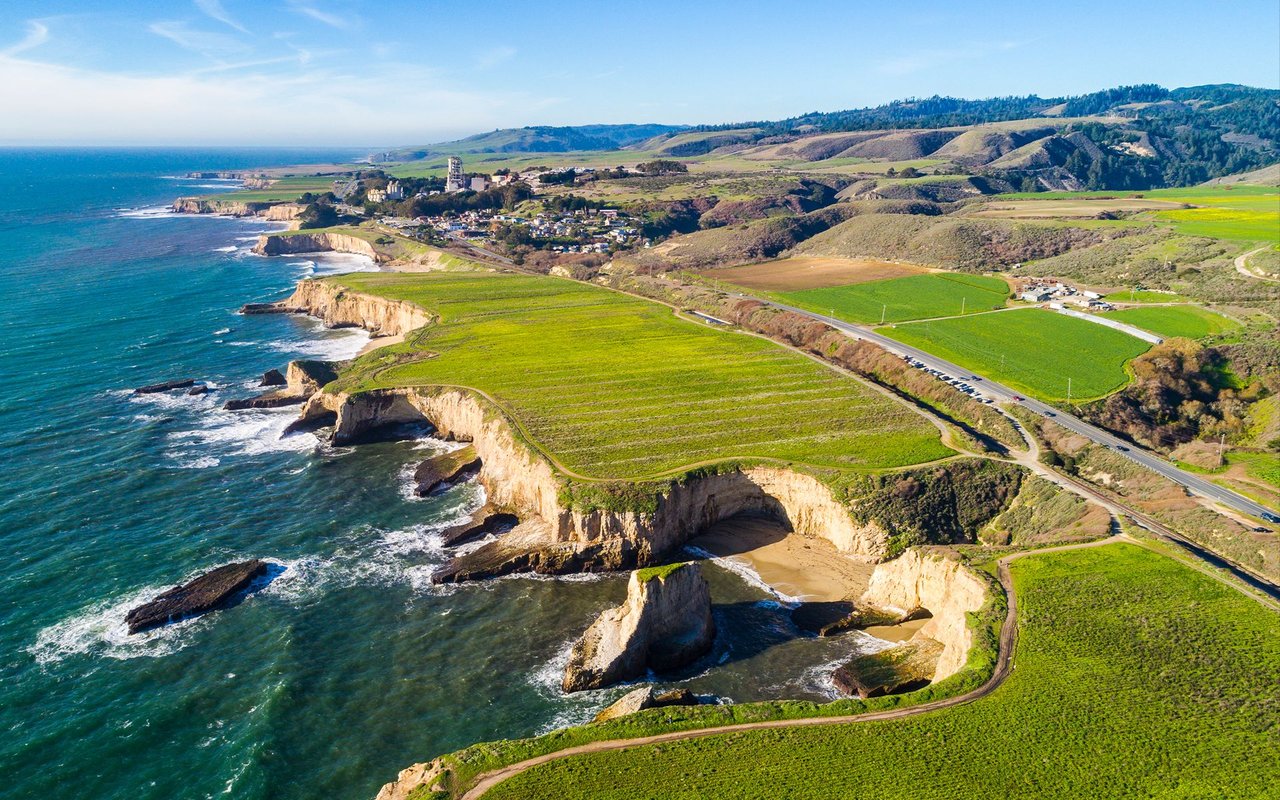
Santa Cruz is not one uniform real estate market. The experience changes dramatically between the Westside, Upper Westside, Downtown, Seabright, Midtown, Beach Hill, and the residential neighborhoods extending toward the hills.
Westside homes may offer access to the coastline, trails, neighborhood businesses, and UCSC. Seabright combines established residential streets with proximity to the beach, harbor, restaurants, and central Santa Cruz. Downtown provides greater walkability and access to shops, entertainment, and services, while hillside neighborhoods may offer more privacy, views, and separation from visitor activity.
The right neighborhood depends on how a buyer balances walkability, beach access, lot size, parking, commute routes, privacy, and exposure to traffic or tourism. Downtown is also continuing to evolve through city planning focused on additional housing, public spaces, and improved connections between Downtown, the San Lorenzo River, and the beach area.
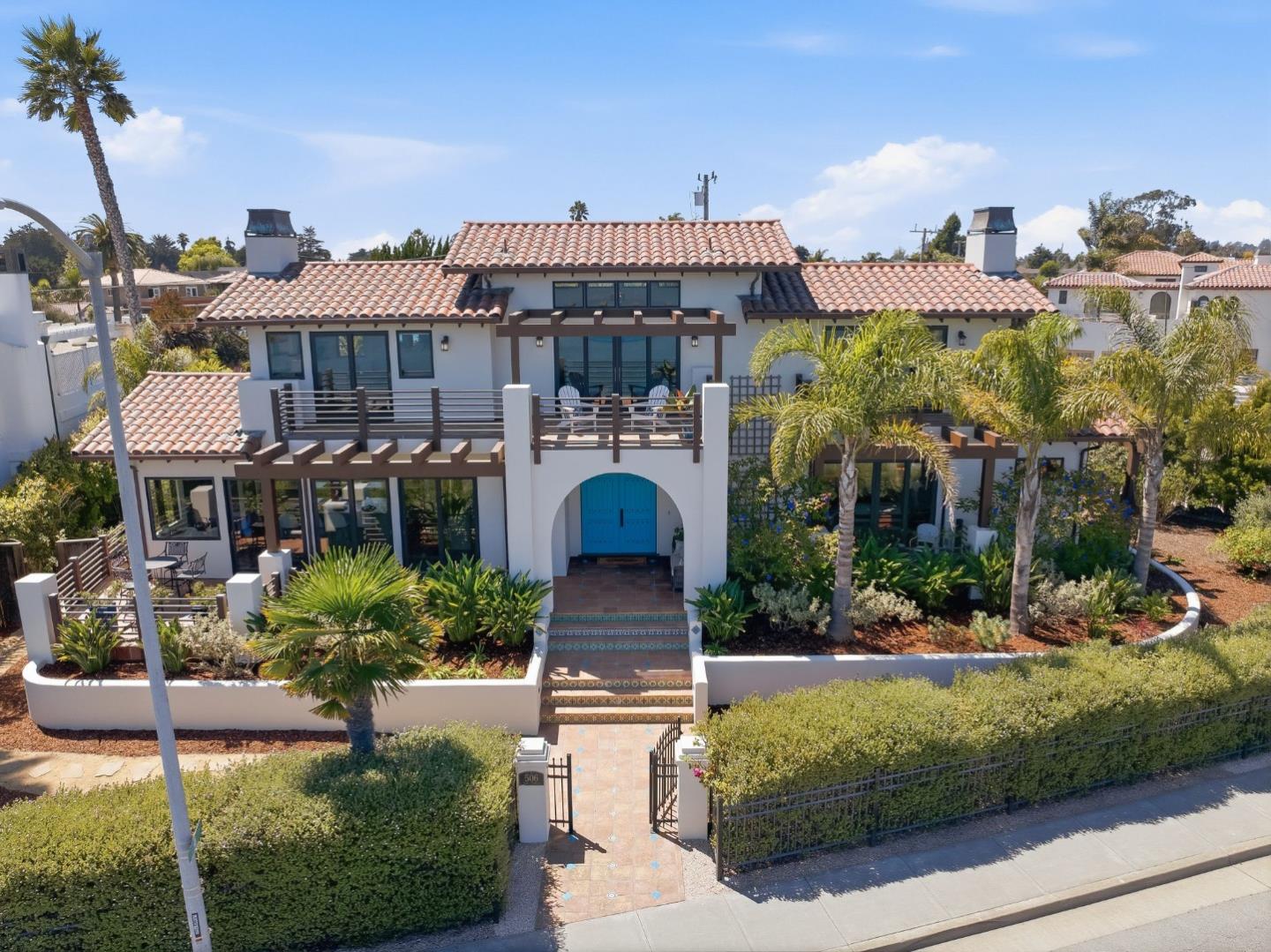
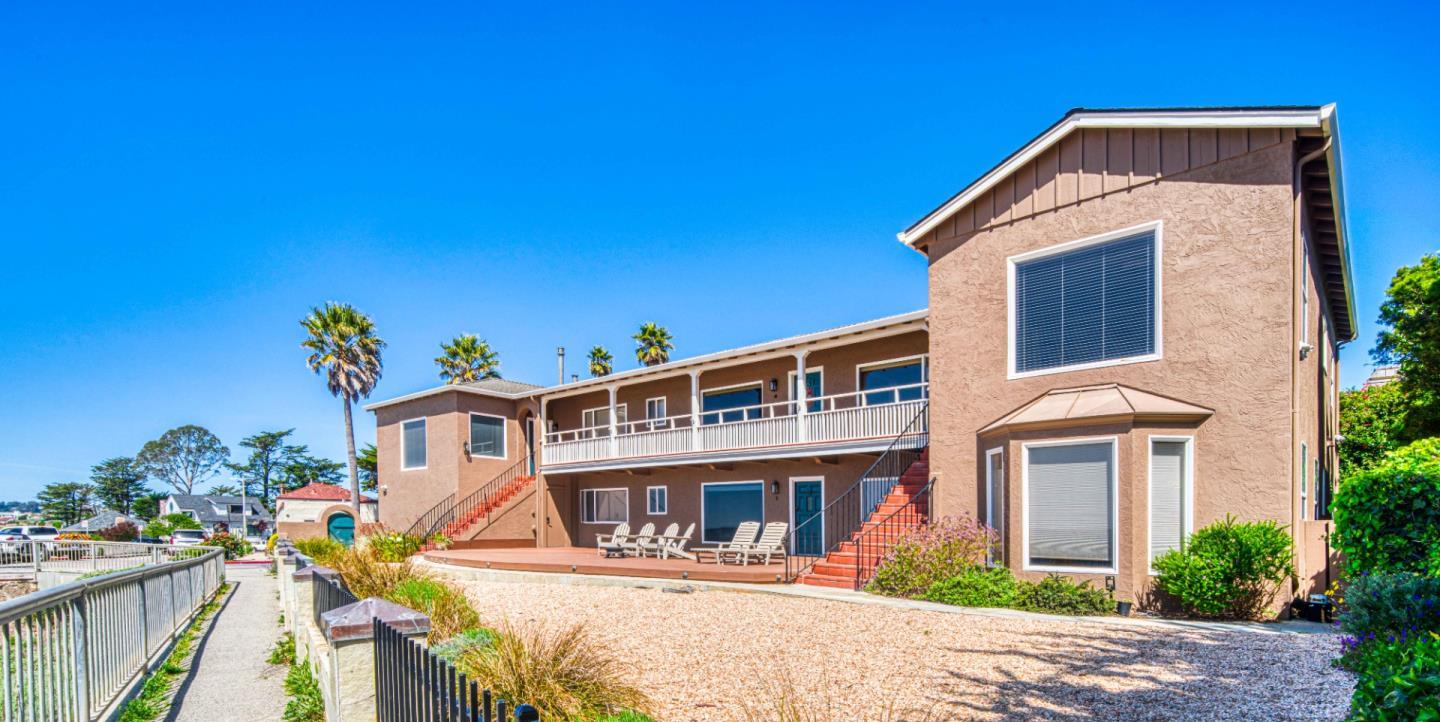
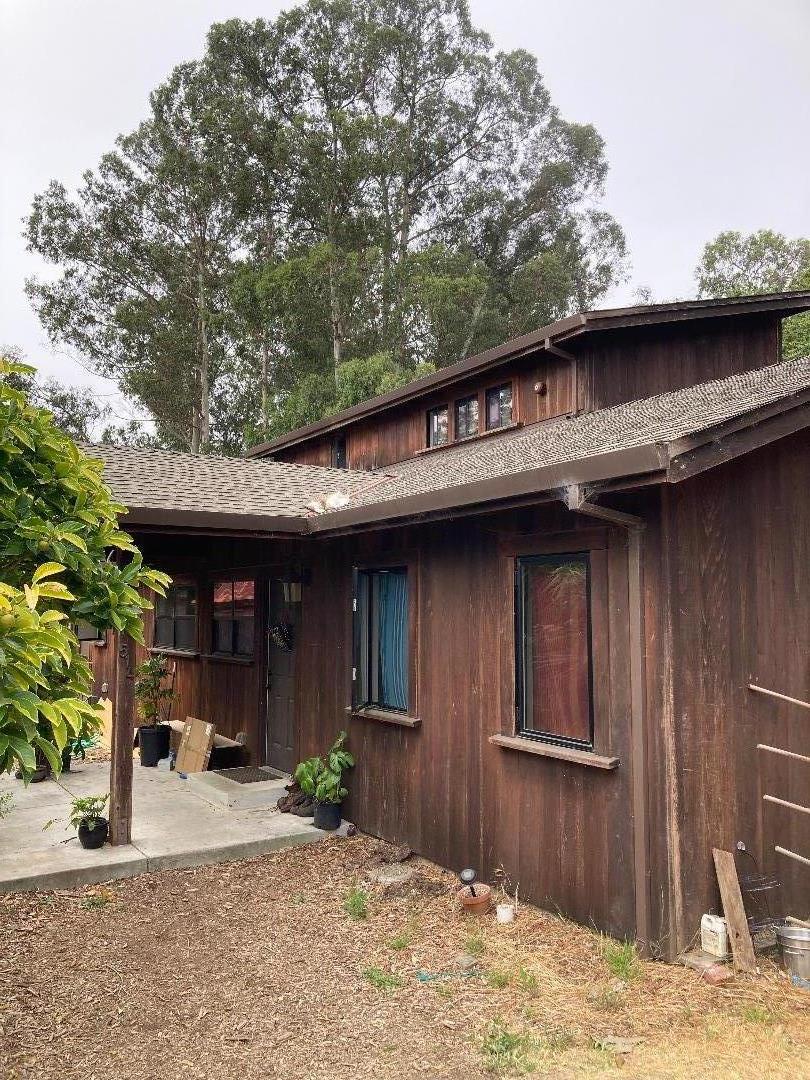
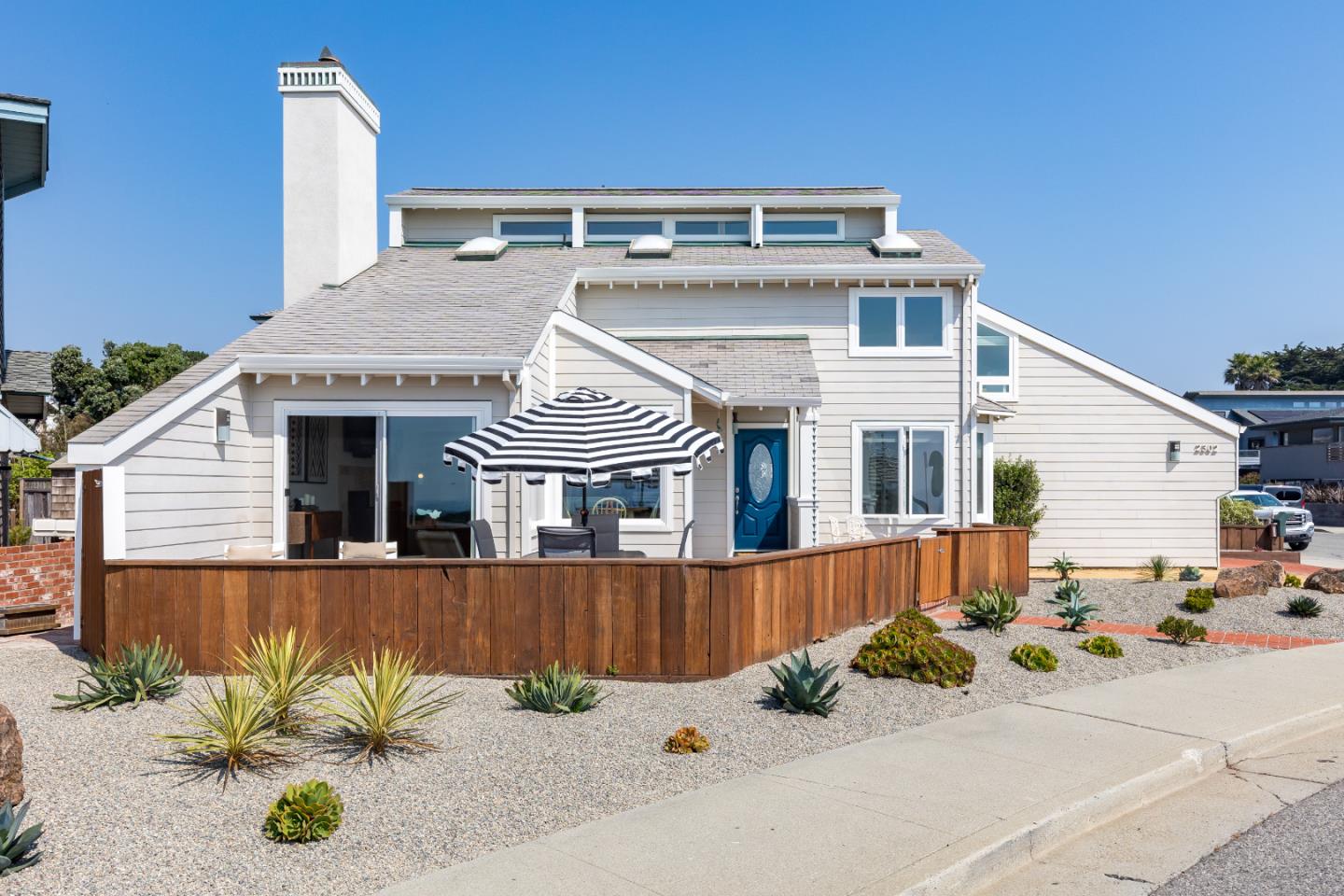
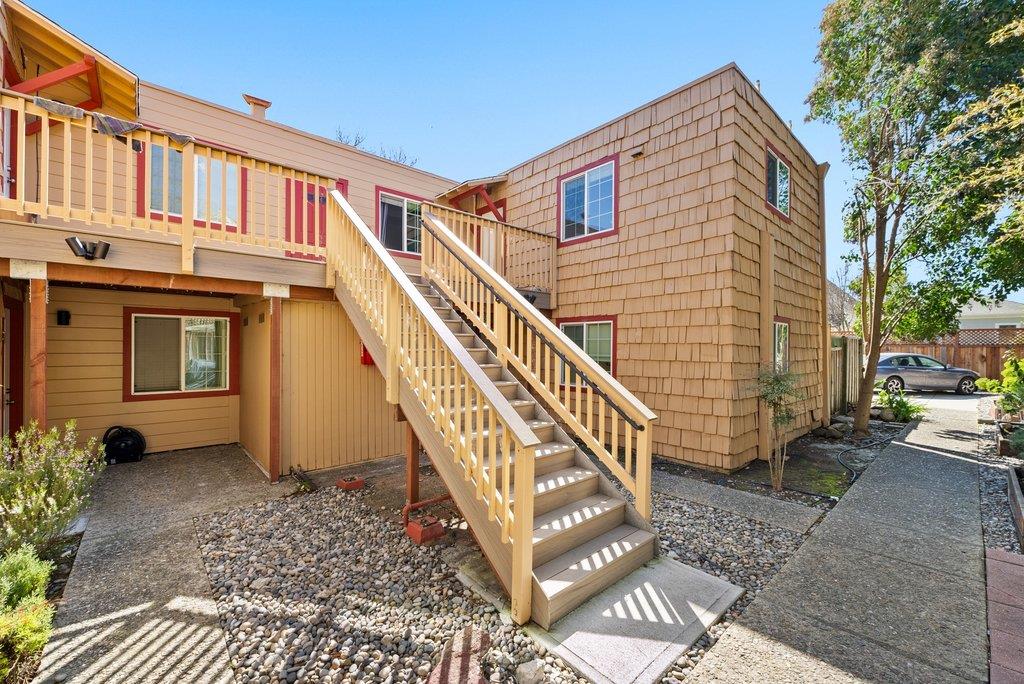
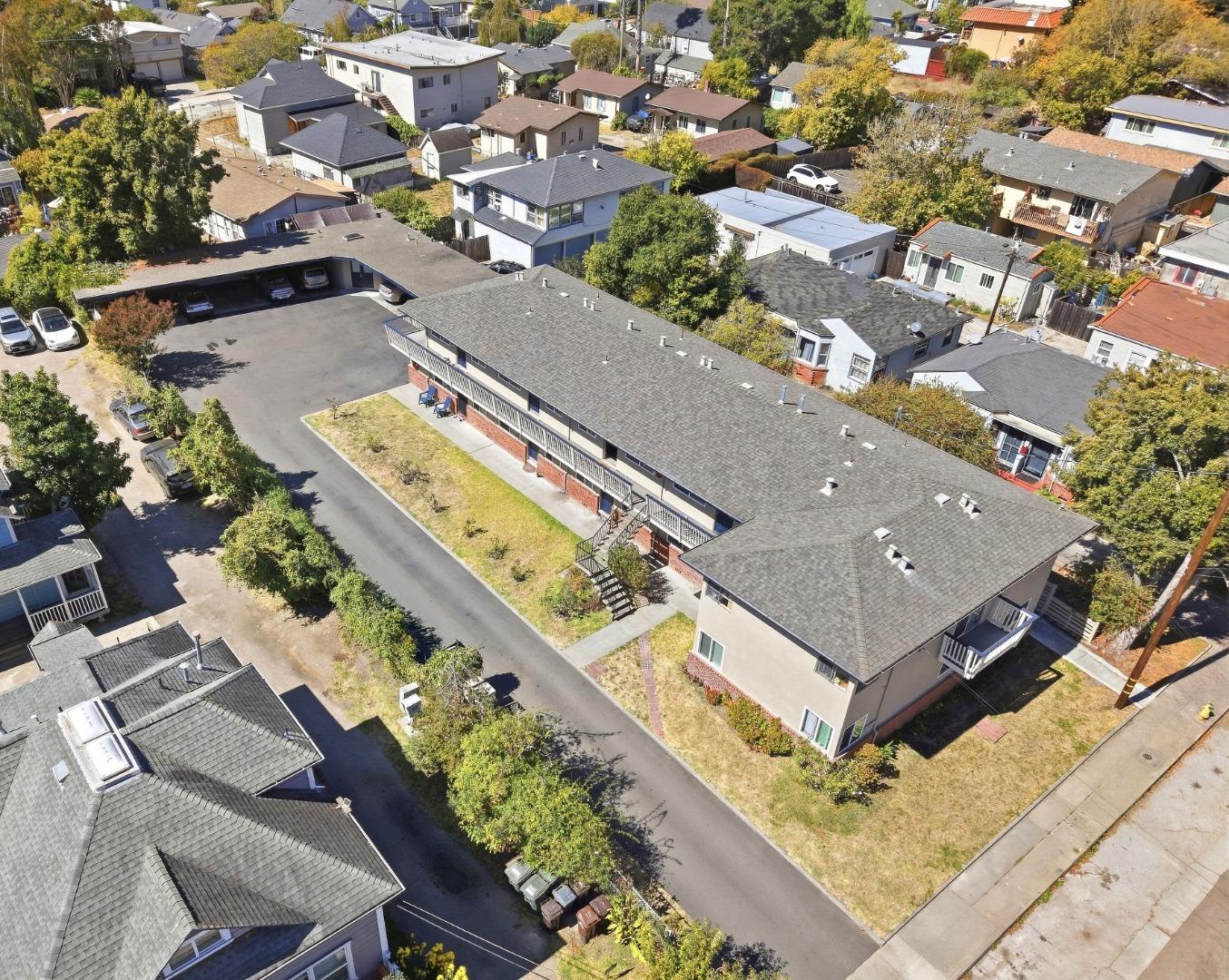
Santa Cruz real estate includes historic cottages, Craftsman homes, beach houses, condominiums, townhomes, mid-century residences, newer construction, multi-unit properties, and hillside homes.
The exact block can matter as much as the neighborhood name. Parking, sunlight, traffic, noise, student activity, lot usability, coastal exposure, and access to Highway 1 or Highway 17 can vary substantially between nearby properties.
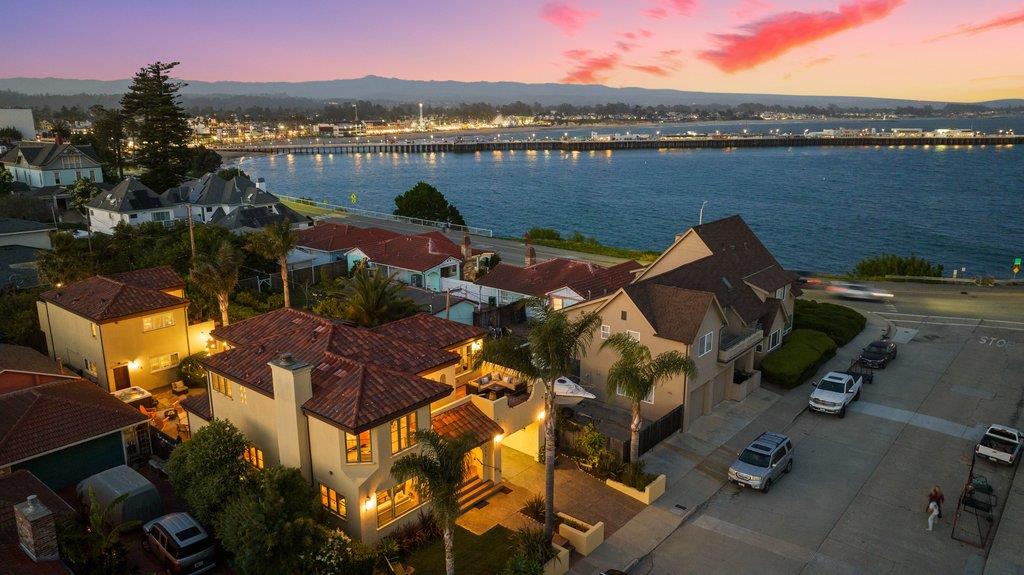
Homes close to the ocean require additional attention to salt air, moisture, exterior materials, roofing, windows, decks, and mechanical equipment. Properties near beaches, lagoons, cliffs, or the San Lorenzo River may also require investigation of flooding, erosion, drainage, and other mapped hazards. The city maintains detailed coastal-flooding and erosion mapping that accounts for factors including storm surge, wave overtopping, lagoon levels, and shoreline change.
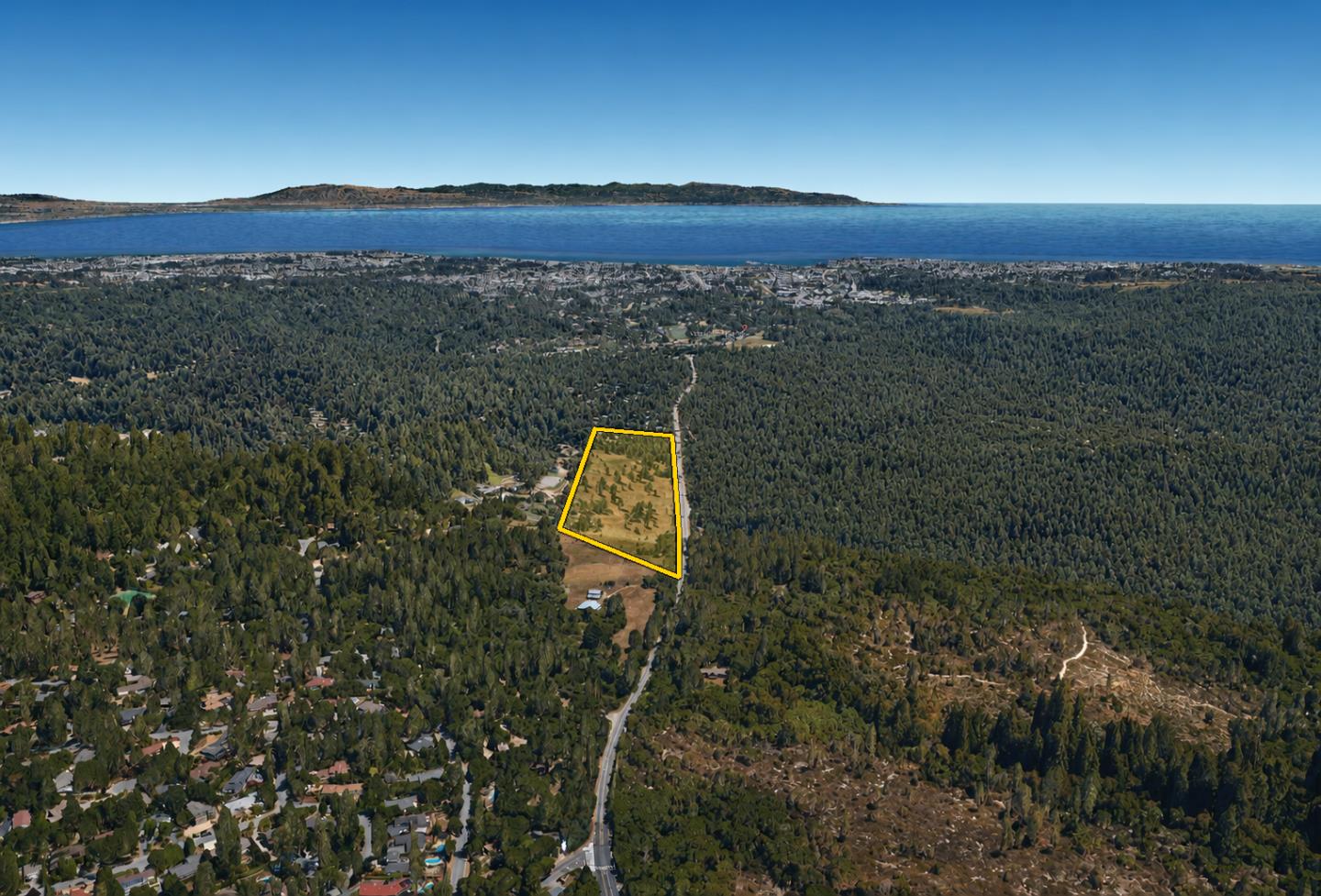
Properties closer to wooded hills or open space may have different vegetation, access, insurance, and wildfire considerations. The City provides a Wildland-Urban Interface map and specific fire requirements for properties within mapped WUI areas.
Buying in Santa Cruz requires neighborhood-specific and property-specific due diligence.
Important questions may include:
Jurisdiction matters. The City of Santa Cruz and Santa Cruz County maintain separate permitting and property-record systems, so the correct agency should be confirmed before evaluating additions or past improvements.
Selling a Santa Cruz home requires more than applying a citywide price per square foot.
A Westside residence, Seabright cottage, Downtown condominium, historic home, and hillside property may attract different buyers. They should not automatically be prepared, priced, or marketed the same way.
Buyers may closely examine permits, parking, coastal exposure, insurance, property condition, rental history, traffic, views, lot usability, and future improvement potential. Organizing permits, plans, inspection reports, rental records, and documentation of major improvements can reduce uncertainty.
Pricing should reflect the specific neighborhood, street, condition, architecture, lot, parking, exposure, and lifestyle—not simply the words “Santa Cruz” in the address.
My role is to help buyers and sellers understand those differences and evaluate the complete property, not merely its photographs or distance from the beach.
Considering buying or selling in Santa Cruz? Let’s look at the home, the neighborhood, and the tradeoffs together.
99,985 people live in Santa Cruz Real Estate, where the median age is 37.6 and the average individual income is $57,295. Data provided by the U.S. Census Bureau.
Total Population
Median Age
Population Density Population Density This is the number of people per square mile in a neighborhood.
Average individual Income
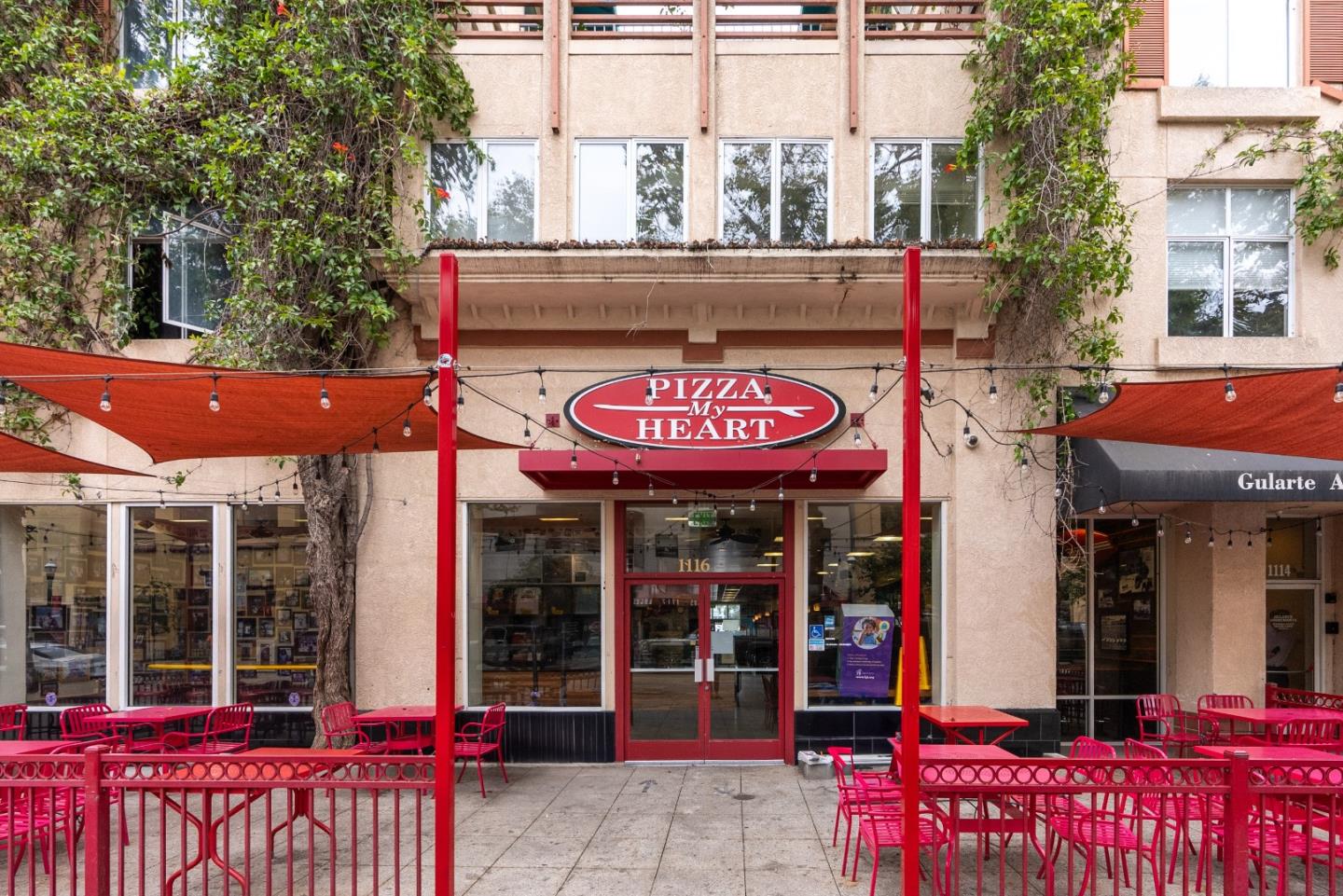
There's plenty to do around Santa Cruz Real Estate, including shopping, dining, nightlife, parks, and more. Data provided by Walk Score and Yelp.
Explore popular things to do in the area, including Santa Cruz Community Farmers' Market, Tacos El Jesse, and Hannah Lerch Yoga.
| Name | Category | Distance | Reviews |
Ratings by
Yelp
|
|---|---|---|---|---|
| Dining | 1.63 miles | 0 reviews | 0/5 stars | |
| Dining | 1.63 miles | 6 reviews | 4.5/5 stars | |
| Active | 1.63 miles | 0 reviews | 0/5 stars | |
| Active | 1.63 miles | 0 reviews | 0/5 stars | |
| Active | 1.63 miles | 0 reviews | 0/5 stars | |
| Active | 1.63 miles | 1 review | 5/5 stars | |
| Beauty | 1.63 miles | 0 reviews | 0/5 stars | |
| Beauty | 1.63 miles | 2 reviews | 5/5 stars | |
| Beauty | 1.63 miles | 0 reviews | 0/5 stars | |
|
|
||||
|
|
||||
|
|
||||
|
|
||||
|
|
||||
|
|
Santa Cruz Real Estate has 37,205 households, with an average household size of 2.36. Data provided by the U.S. Census Bureau. Here’s what the people living in Santa Cruz Real Estate do for work — and how long it takes them to get there. Data provided by the U.S. Census Bureau. 99,985 people call Santa Cruz Real Estate home. The population density is 3,593 and the largest age group is Data provided by the U.S. Census Bureau.
Total Population
Population Density Population Density This is the number of people per square mile in a neighborhood.
Median Age
Men vs Women
Population by Age Group
0-9 Years
10-17 Years
18-24 Years
25-64 Years
65-74 Years
75+ Years
Education Level
Total Households
Average Household Size
Average individual Income
Households with Children
With Children:
Without Children:
Marital Status
Blue vs White Collar Workers
Blue Collar:
White Collar: